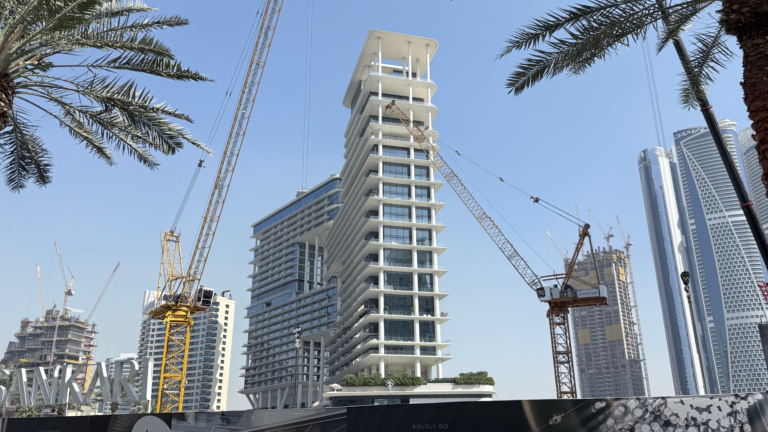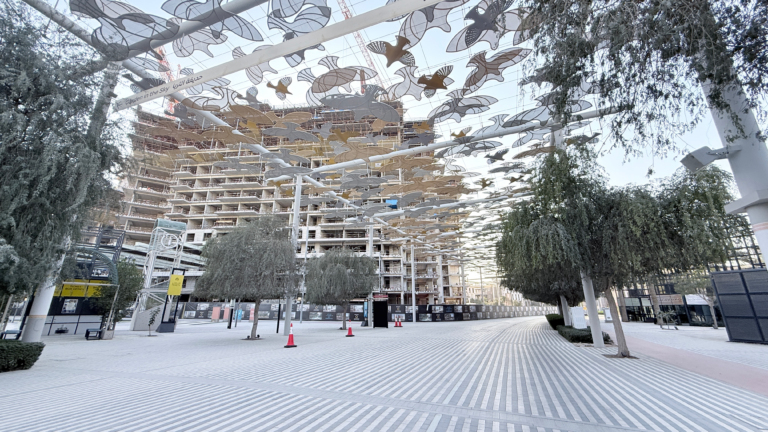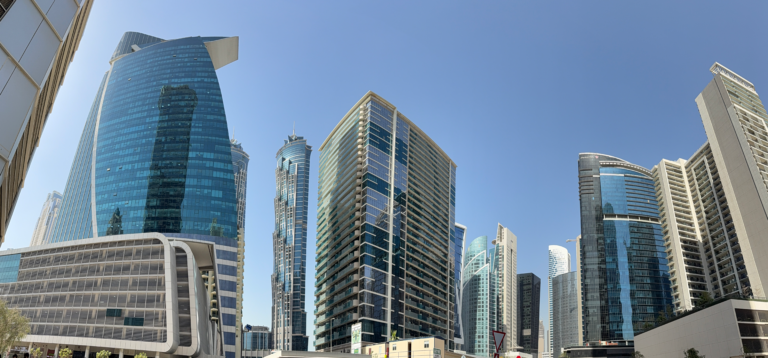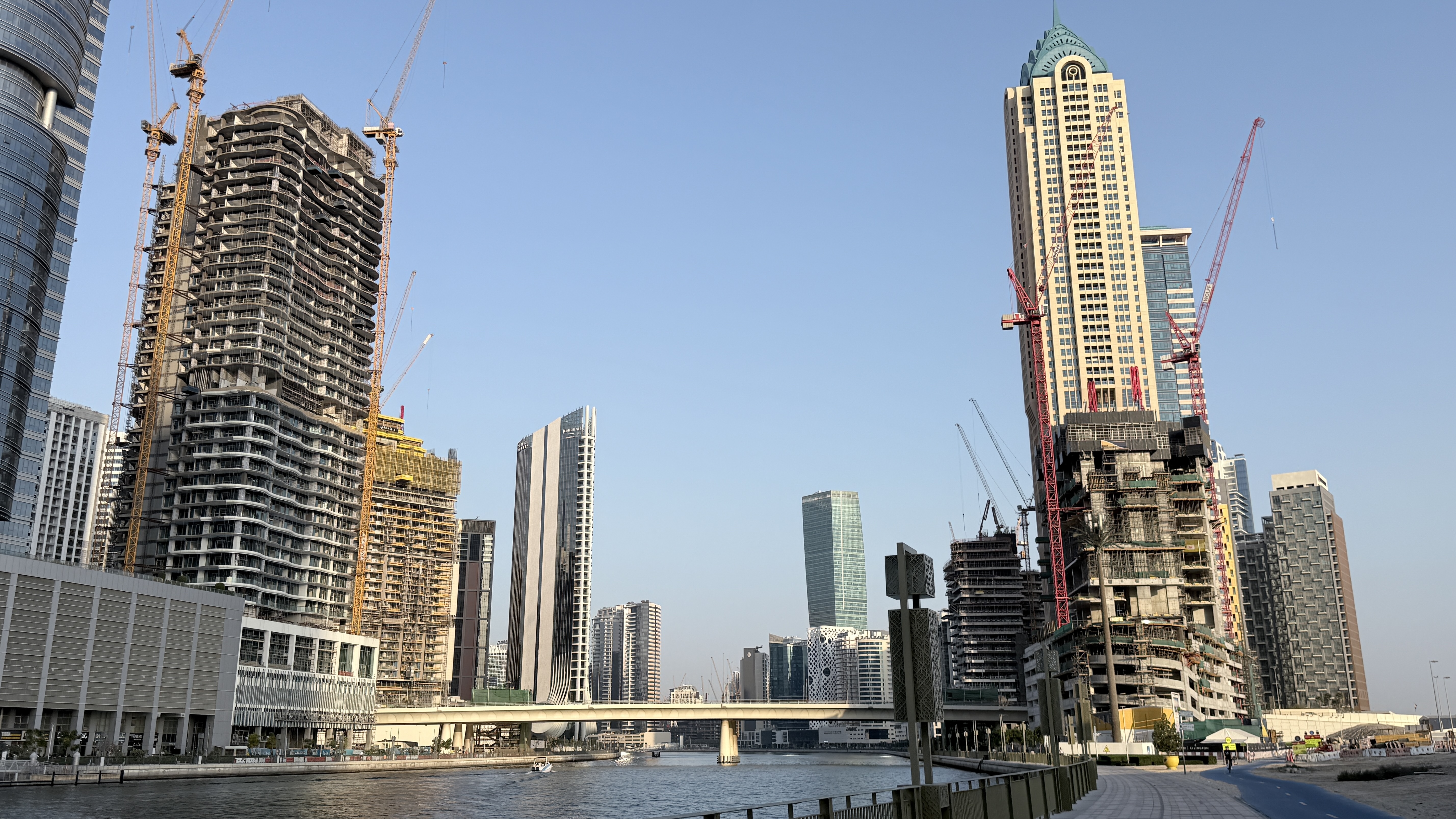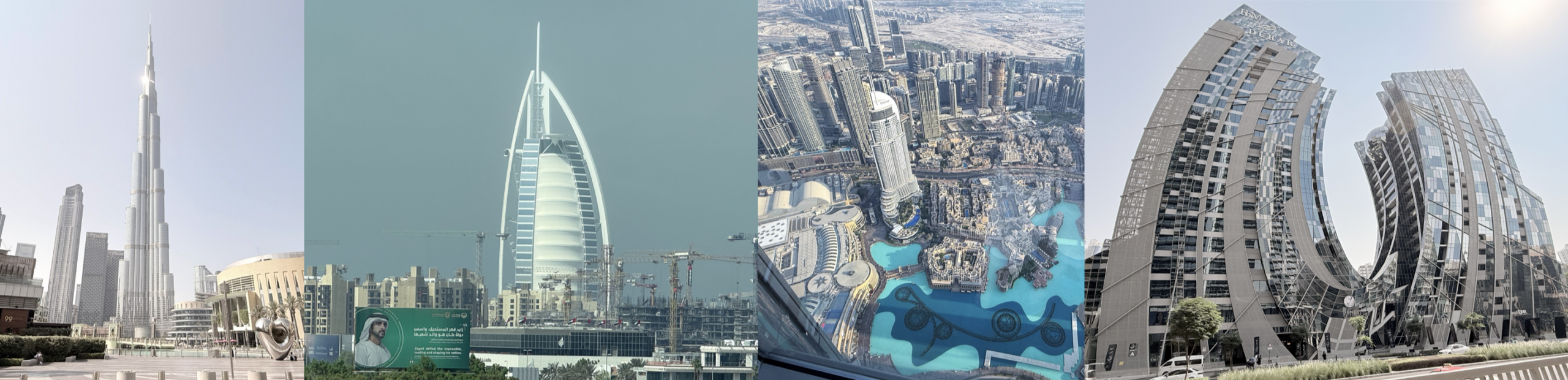
Dubai remains one of the world’s most dynamic real estate markets, offering opportunities for rental income and long-term capital growth. With over 200 distinct communities and rapidly evolving developments, navigating the market successfully requires local expertise. According to the Dubai Land Department (DLD), there are approximately 2,214 licensed real estate developers in Dubai as of early 2026, each supported by dedicated sales professionals, alongside numerous independent brokers. Investors seeking client-focused guidance benefit from the combination of a reputable developer and an experienced sales professional – a combination exemplified by Mrs Kasias Szportun and One Development. As Senior Sales Manager at One Development, she leverages deep knowledge of Dubai’s micro-markets and a clear understanding of individual goals to help investors identify high-quality, strategically located properties that align with both financial objectives and long-term value.
In such a complex and fast-moving environment, working with a qualified local real estate professional and a high-quality developer is not just helpful – it is strategic.
Compared to larger, well-established developers, One Development is a smaller, more focused developer that delivers thoughtfully designed residential projects of excellent quality, with construction and service standards that leave nothing to be desired. Its approach attracts investors seeking careful alignment with their objectives, strong design focus, and strategically chosen locations. While it may not carry the same market scale or brand recognition as larger developers, its projects are consistently located in some of Dubai’s most profitable areas.
For personalized guidance and investment opportunities, you can reach Mrs Kasias Szportun, Senior Sales Manager at One Development, directly via WhatsApp: +971 50 562 0687
A Market That Is More Complex Than It Looks
Dubai is administratively divided into 9 main sectors encompassing more than 200 distinct communities and districts. Historically, the city is split by Dubai Creek into two primary sides:
- Deira (north) – one of the city’s oldest commercial and residential hubs
- Bur Dubai (south) – home to traditional neighborhoods and government institutions
From these historic roots, Dubai has expanded into:
- Established residential districts
- Global business centers like Business Bay
- Ultra-prime areas such as Downtown Dubai
- Massive master-planned developments including Dubai Hills Estate
- High-yield investor hotspots like Jumeirah Village Circle
Each area has its own pricing dynamics, tenant profile, service charges, appreciation potential, and supply pipeline. Without local expertise, it’s easy to misjudge the real opportunity.
Investment Strategy in 2026: Yield vs. Growth
For profitable real estate investment in 2026, Dubai districts are typically categorized by strategy:
1. Immediate High Rental Yield (Cash Flow Focus)
These areas often provide:
- 6–9% gross rental yields
- Lower entry prices
- Strong rental demand from mid-income tenants
However, high yield does not automatically mean high long-term value growth. Some areas may face higher supply or price volatility.
2. Long-Term Capital Appreciation (Value Growth Focus)
Prime districts like Downtown or waterfront and master-planned communities tend to offer:
- Lower yields (4–6%)
- Higher entry prices
- Stronger long-term resale potential
- Better liquidity during market corrections
These areas often attract international buyers and maintain brand value over time.
Why a Local Property Expert Matters
1. Understanding Micro-Markets
Dubai doesn’t behave as one single market – it behaves like 200+ small markets. Two buildings next to each other can have:
- Different service charges
- Different developer reputation
- Different rental performance
- Different appreciation history
A professional knows:
- Which towers perform well
- Which developers maintain quality
- Where oversupply risk exists
- Which communities are peaking vs. emerging
2. Running Real Profit Numbers (Not Just Headline Yields)
Many investors focus on advertised rental yields. But real profitability requires detailed analysis:
Purchase price
- Registration & transfer fees
- Loan costs (if financed)
- Service charges & maintenance
- Management fees
− Expected annual rent
= Net cash flow
Then add:
Projected resale value in 5–10 years
− Selling costs
= Capital gain
Only by combining these can you calculate:
- Net yield
- Cash-on-cash return
- Long-term ROI
- Risk-adjusted return
A local property analyst can model this realistically — not optimistically.
3. Avoiding Common Investor Mistakes
Without expert guidance, buyers often:
- Overpay during market peaks
- Underestimate service charges
- Choose units with weak resale demand
- Ignore building quality and management
- Miscalculate financing impact on returns
Professional advice can mean the difference between a 4% net return and an 8% structured return.
4. Navigating Regulations and Transaction Processes
Dubai’s property market is transparent and investor-friendly, but it still requires understanding of:
- Freehold vs. leasehold zones
- Title deed procedures
- Escrow regulations
- Short-term rental licensing
- Mortgage requirements
A trusted advisor ensures compliance and smooth execution.
Is Buying in 2026 Still a Good Idea?
Yes! Dubai remains attractive due to:
- No income tax on rental earnings
- Strong population growth
- Continued infrastructure expansion
- Global investor demand
- Relatively high yields compared to many international cities
But it is not a guaranteed win. Profitability depends on:
- Buying at the right price
- Choosing the right district and building
- Structuring financing wisely
- Holding long enough to benefit from appreciation
The Bottom Line
Dubai offers significant real estate opportunities – but success requires strategy.
Before buying, work with a qualified developer and a local property expert who take the time to understand your specific needs and provide a realistic assessment of your potential returns, tailored to your personal financial goals.
Consider all factors: purchase price, loan costs, service charges, expected rental income, and projected resale value over 5–10 years.
In a market as dynamic and segmented as Dubai, professional guidance is essential for turning opportunity into measurable profit.