Dubai, 23 November, 2025
An inspiring vision of a future where technology becomes a catalyst for individual empowerment, collective decision-making, and a reimagined form of governance. In this world, innovation doesn’t merely improve existing systems—it transforms them entirely, placing genuine power in the hands of everyday people. Below are some key elements that could shape this new reality:
1. AI-Driven Personalized Wealth Management
Imagine a world where AI algorithms aren’t just tools for financial institutions, but are built to serve individual users. These AIs could analyze your spending habits, goals, risk tolerance, and long-term aspirations, offering personalized investment strategies that allow anyone – regardless of their wealth or education—to effectively manage their financial futures.
Blockchain technology could underpin this system, ensuring full transparency and eliminating the need for middlemen. Smart contracts could automate and enforce investments, savings, or charity donations, allowing people to trust the process and see the impact of their choices in real-time.
2. Decentralized Decision-Making and Governance
In this world, voting systems could be powered by blockchain, allowing for secure, transparent, and tamper-proof participation in elections, referendums, and even day-to-day governance. Imagine every citizen able to vote directly on local and national issues through a simple, accessible interface on their phone or computer.
AI could aggregate public opinion in real-time, ensuring that policies reflect the true will of the people. Machine learning models might analyze data from multiple sources to offer recommendations that balance individual needs with the common good, helping to make decisions more reflective of societal values and scientific evidence.
3. Blockchain-Based Identity and Access
Our personal data could be securely stored and controlled by us via blockchain. Instead of relying on corporations or governments to manage our identities, people would have the ability to maintain control over who accesses their data, and under what conditions. This would reduce fraud, privacy violations, and identity theft, all while empowering individuals to leverage their own data for opportunities – whether in education, employment, or healthcare.
4. The Rise of Autonomous Robots and AI in Daily Life
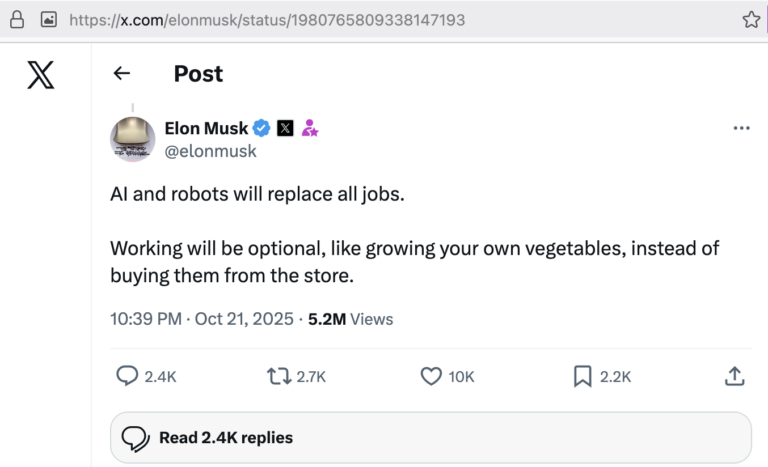
In a future where robots and AI collaborate with humans in everyday life, we could see the proliferation of autonomous machines that serve as assistants, caregivers, and even companions. These could take over repetitive, dangerous, or physically demanding tasks, freeing humans to focus on more creative, strategic, or fulfilling pursuits. The workforce might transition from manual labor to a creative economy where ideas and human ingenuity are the most valuable assets.
Robots, equipped with AI, could also be used in sectors like healthcare, where they might help diagnose, treat, or even offer emotional support to patients. A decentralized network of healthcare providers and specialists could be empowered to connect directly with patients anywhere, facilitating global access to healthcare services.
5. Crowdsourced Problem-Solving and Collective Action
In such a world, communities would no longer be passive consumers of decisions made by elites. Blockchain could power platforms that allow people to directly fund and vote on solutions for local or global issues. Think of decentralized “charity” platforms where anyone can contribute to solving challenges, whether it’s climate change, education, or poverty. These platforms could ensure that resources are distributed equitably, directly to where they’re most needed, with full visibility into the allocation and impact.
AI could provide powerful analytics to identify where problems are most pressing and where solutions might have the greatest effect. By crowd-sourcing intelligence and decision-making, society could collectively tackle challenges with unprecedented efficiency and creativity.
6. Universal Basic Income (UBI) Powered by Blockchain
In a world where automation reduces the need for human labor, a blockchain-based UBI could become a reality. Every citizen could receive a regular income directly from a decentralized network, ensuring basic financial security. This could be funded through taxes, resource allocation, or even by distributing profits from automated systems.
UBI would remove the traditional dependency on corporate structures and give people the freedom to pursue creative, entrepreneurial, or philanthropic endeavors without the constant pressure of survival. It could reshape the very nature of work, allowing individuals to focus on passion projects or societal contributions that don’t necessarily generate profit but contribute to the greater good.
7. Transparent and Accessible Education Systems
With AI-powered personalized learning, the educational experience could become more adaptive and accessible to people of all backgrounds. Instead of a one-size-fits-all model, students could engage with material at their own pace, receiving real-time feedback and guidance from AI tutors, while also participating in global knowledge-sharing networks. Blockchain could authenticate skills and achievements, ensuring that credentials are portable and verified across borders, empowering individuals to pursue opportunities regardless of their background or geographic location.
8. Global Collaboration and Virtual Communities
Technology would break down borders, fostering global collaboration. Virtual spaces powered by VR and AR could create more immersive ways for people to interact and collaborate on a global scale. Communities, both local and global, could come together to solve problems, share knowledge, or simply connect across cultures.
These platforms would ensure that all voices have an equal opportunity to be heard and that participation is open to anyone, regardless of their social status, economic situation, or physical location.
8. The Elimination of Corruption Through Transparency and Accountability
In a world where blockchain and AI enable full transparency, corruption could become a thing of the past. Every transaction, decision, and policy could be tracked in real-time, with immutable records that ensure accountability. By decentralizing power and giving people direct influence over systems, there’s no room for manipulation or hidden agendas. With the elimination of intermediaries, public funds, corporate practices, and government actions could be fully visible to citizens, ensuring that power is used for the benefit of all. Corruption would not only be harder to conceal but actively deterred by a system designed for openness and participation.
Summary
This vision isn’t about technology for technology’s sake, but about creating systems that truly serve people. It redefines “wealth” beyond money, embracing time, creativity, opportunity, and the power to contribute to the greater good.