Dubai, 11th of February, 2026.
A City Driven by Vision and Sustained by Progress – for its people and its future
The short video below captures people on their way to work, already immersed in their daily routines—taxi drivers, truck drivers, construction workers, and many others. It reflects the steady rhythm of life in Dubai. Months from now, the same scene will likely unfold in much the same way: a city that rises early and moves with purpose.
Observing this early in the morning is energizing. It reinforces the sense of being part of a community defined by ambition, discipline, and collective effort. There is a shared understanding that progress is built day by day – not only for individual advancement, but for the broader development of society.
One of Dubai’s most defining characteristics is its strong sense of safety and stability. This environment allows residents to focus on professional growth, entrepreneurship, and long-term planning with confidence. Families live with a high degree of security, and individuals are able to pursue both work and personal interests without constant concern over safety or instability. This foundation of security is not merely a comfort; it is a key enabler of productivity and quality of life.
What stands out particularly is how quickly newcomers perceive this sense of order and infrastructure efficiency. From the moment of arrival, the systems in place – public services, transportation, urban planning—signal structure and reliability. Governance appears oriented toward enabling individuals to build their lives and careers with clarity and predictability.
The working population contributes actively to the city’s development, meeting their responsibilities while maintaining the freedom to aspire to greater opportunities. Public and private institutions function within a framework that emphasizes service delivery, modernization, and forward planning. Residents and visitors alike generally experience consistency in treatment, professionalism in services, and a culture that values respect.
As my time in Dubai draws closer to its conclusion, I find myself reflecting on the possibility of a more permanent connection to this environment. Although I am in the early stages of retirement, I remain motivated to stay active, engaged, and intellectually curious. Dubai’s dynamism fosters exactly that mindset. Even a temporary stay can leave a lasting impression of energy and forward momentum.
When I first visited last year for two weeks, I was curious. That visit led to a month-long stay, during which many preconceived notions were replaced by direct observation. Experiencing a place firsthand provides a perspective that no external commentary can fully replicate.
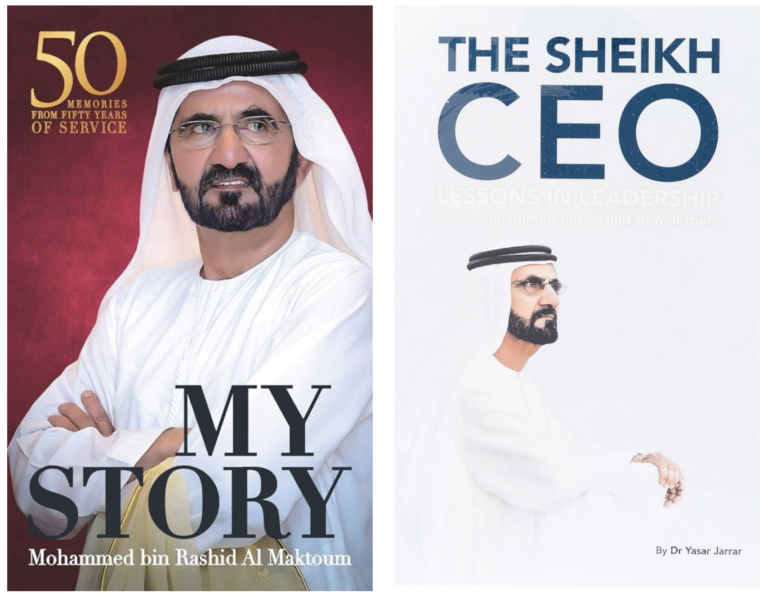
Dubai presents itself as a city open to talent, investment, and initiative. Its development has been shaped significantly by the leadership philosophy articulated by Sheikh Mohammed bin Rashid Al Maktoum, particularly the principle:
“Serve the people. The purpose of government is to serve the people, the aim of public adminsitration is to serve society and the role of government procedures, systems and laws is to serve human beings.”
Bin Rashid al Maktoum, His Heighness Sheik Mohammed. My Story, page 303. First Edition 2019.
These are not empty words. In practice, many public and private entities appear aligned with this service-oriented approach. The emphasis on efficiency, accessibility, and forward-looking governance is visible in daily life.
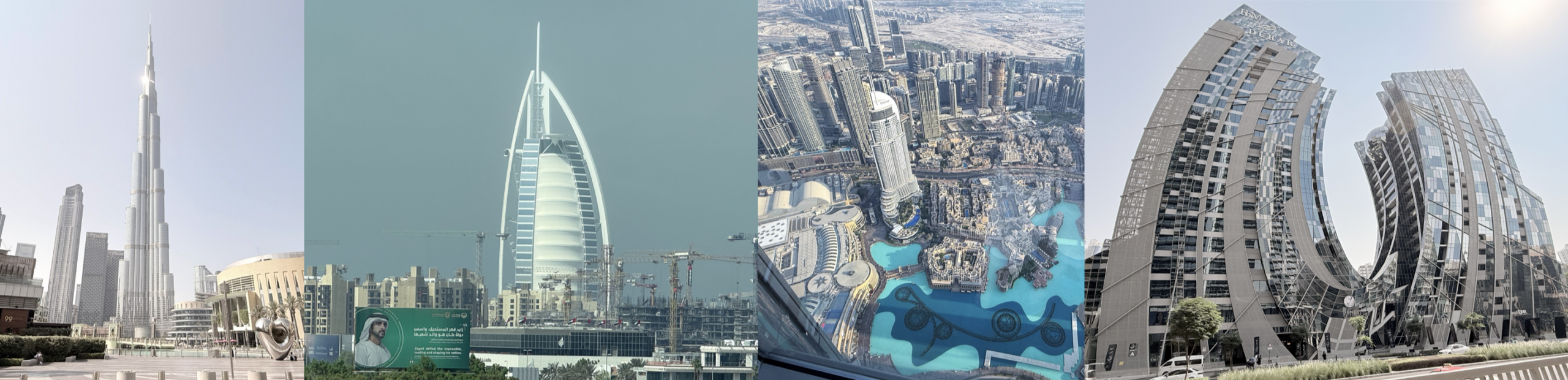
Dubai’s transformation from a desert landscape into a global city within a relatively short historical period remains one of its most striking achievements. Understanding the leadership philosophy behind this transformation provides insight not only into Dubai’s trajectory, but also into broader questions of governance, development, and national vision.
Ultimately, the city’s defining feature may be its combination of ambition, structure, and opportunity. Observing its daily rhythm offers a perspective on how vision, policy, and collective effort can converge to shape a modern urban society.
History shows that abundant natural resources or economic maturity alone do not guarantee prosperity. While some resource-rich or long-established economies continue to face structural challenges, Dubai’s transformation from a resource-scarce desert landscape demonstrates the decisive role of governance, vision, and disciplined execution.