The foundations of Western civilization can be traced to the early agricultural and cultural developments of the Aegean world. By around 6500 BCE, wheat cultivation had taken root in Greece, marking a profound shift from nomadic hunting to settled farming communities. This transition to agriculture allowed populations to grow, social structures to form, and new technologies to emerge. These early farming villages laid the groundwork for more complex societies, creating a stable economic base that would support artistic, political, and technological innovation.
It was on the island of Crete, however, that these early developments blossomed into one of the first truly advanced civilizations of Europe: the Minoan Civilization, which began around 2200 BCE. The Minoans built sophisticated cities featuring grand palaces, elaborate frescoes, and advanced infrastructure such as plumbing and paved roads. Their society was marked by extensive maritime trade, which connected Crete with Egypt, the Near East, and the rest of the Mediterranean. This exchange of goods, ideas, and technologies helped the Minoans become cultural pioneers, influencing the later civilizations of mainland Greece.
The rise of the Minoans represents a crucial step in the emergence of modern civilizations. Their achievements in art, architecture, writing, trade, and governance reflect an early model of organized, complex society. Together, the spread of agriculture in 6500 BCE and the flourishing of the Minoan world in 2200 BCE reveal how Crete and the broader Greek region formed a vital bridge from prehistoric communities to the structured civilizations that would shape the course of European history.
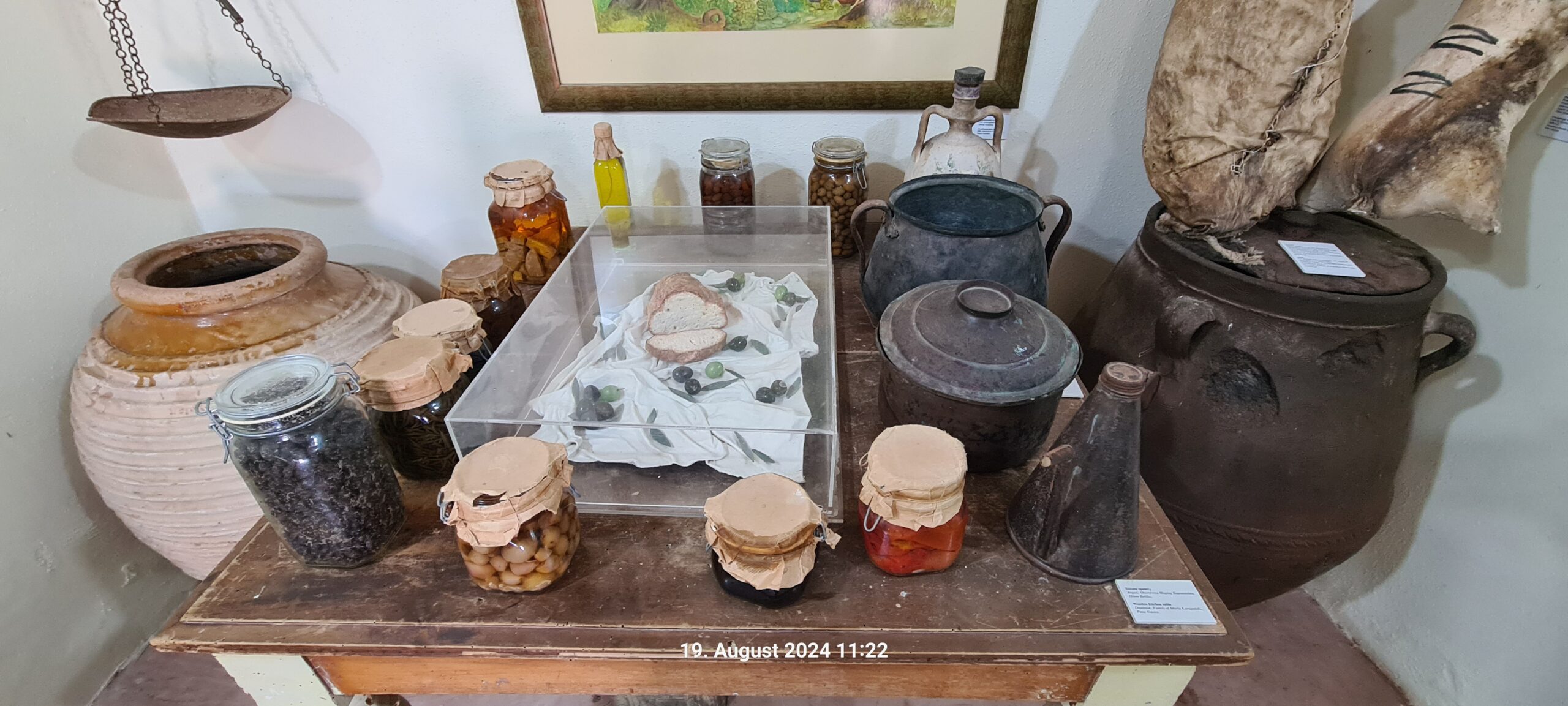
Olives: The Motor of Ancient Greek Commerce
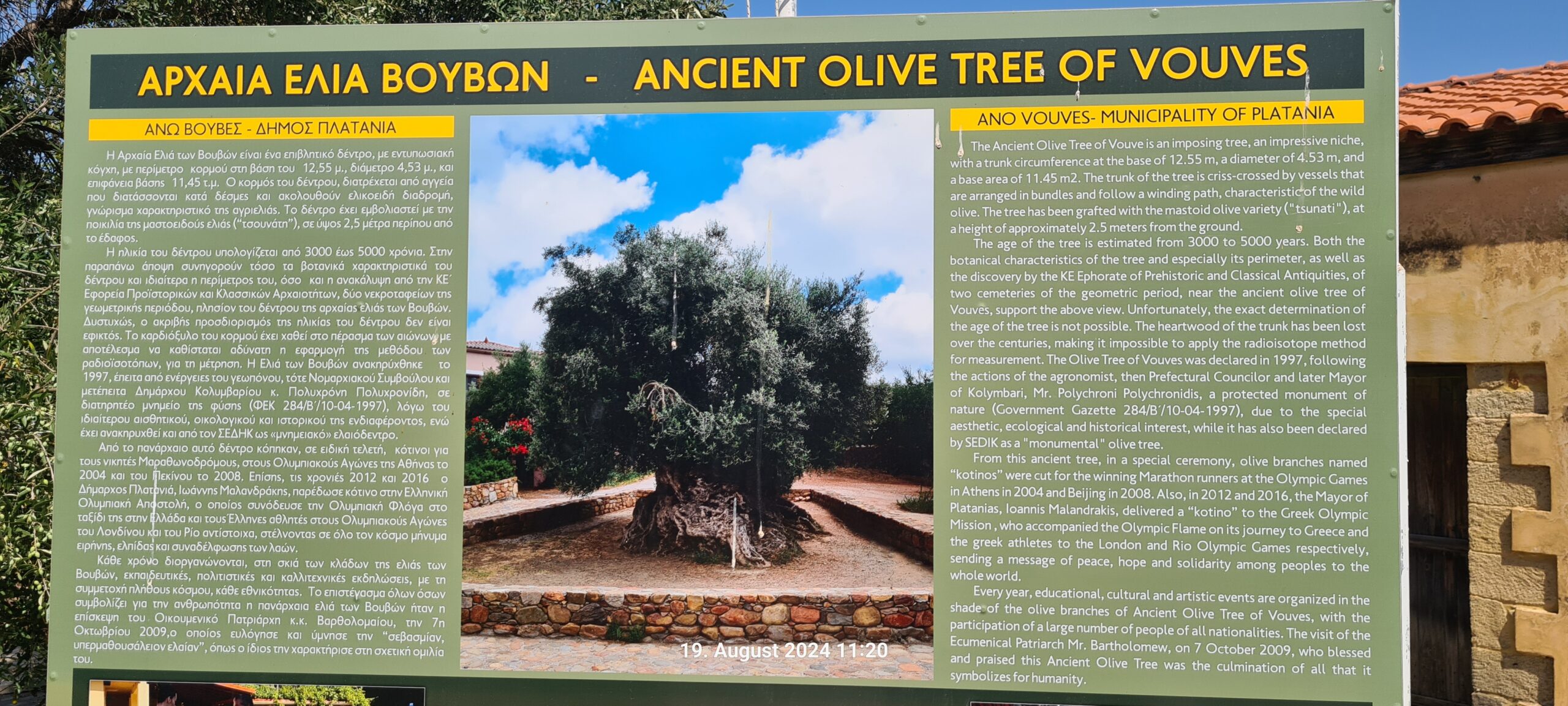
The story of the olive is one of resilience, empire, and cultural transformation – much like the story of the Greek people themselves. From its ancient roots in the wild landscapes of the Mediterranean to its central role in the economies of history’s greatest civilizations, the olive tree has stood as a silent witness to humanity’s unfolding journey.
In the Eastern Mediterranean, early farmers began cultivating olives nearly 7,000 years ago, transforming a hardy wild plant into a cornerstone of daily life and long-distance trade. This agricultural breakthrough paved the way for one of the ancient world’s most valuable commodities.
Olives became especially important in the Greek world around 2000–1700 BCE, when the Minoan civilization on Crete began cultivating them on a large scale. From this point onward, olive oil grew into a central economic and cultural resource throughout ancient Greece. Thriving in Greece’s rocky soils, olive trees provided a reliable surplus that fueled commerce. Greek merchants carried olive oil across the Mediterranean in exchange for grain, metals, and luxury goods, helping Greek culture spread and flourish. Archaeobotanical evidence from sites such as Teleilat Ghassul near the Dead Sea – where olive stones were found alongside dates, cereals, and pulses dating to the 4th millennium BCE – confirms the deep antiquity of olive use and trade in the broader region.
The Romans later elevated olive oil to an economic powerhouse. It became a cornerstone of the Roman Empire, used for food, lighting, medicine, hygiene, and even as a form of tax payment. Vast Roman estates stretched from Spain to North Africa, producing a steady flow of “liquid gold” that sustained cities and armies alike.
From Minoan traders to Roman merchants, from sacred Greek groves to Mediterranean markets, the olive has shaped economies, cultures, and civilizations for millennia—and continues to do so today.