Bitcoin and other cryptocurrencies are once again navigating a volatile phase, but this volatility creates significant opportunities for long-term investors. When prices dip, it’s a prime moment to “buy the dip” at a discount—a strategy that’s been embraced by both El Salvador and major institutional players like Harvard’s endowment fund.
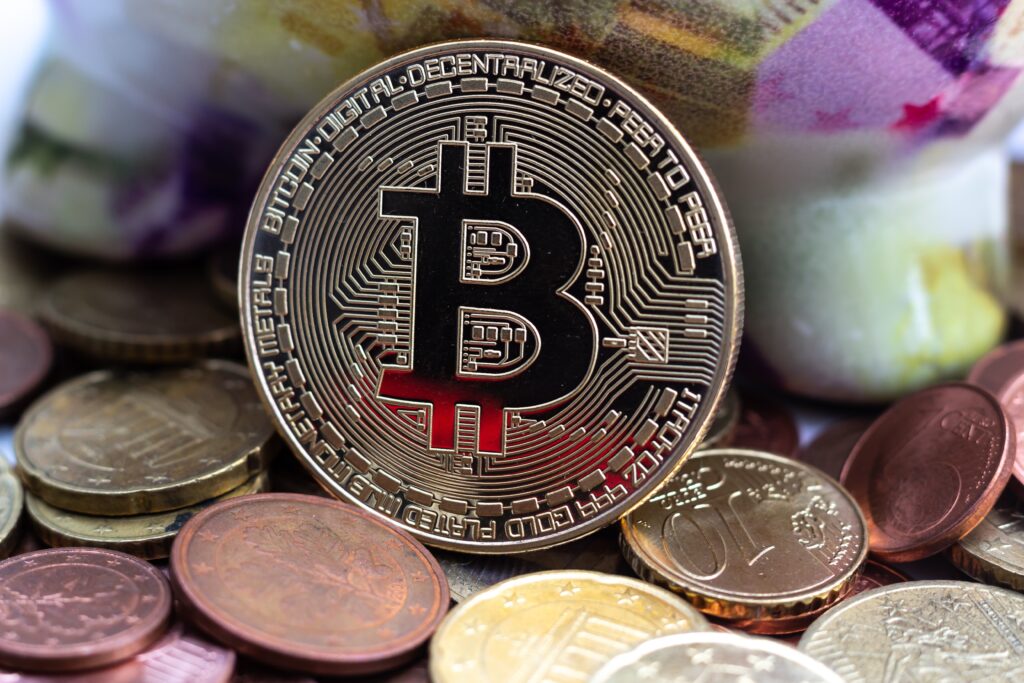
Cryptos like Bitcoin often move in cycles – up and down – and historically, downturns have been followed by notable recoveries. For big buyers, especially those with a long-term view, the current market conditions present an attractive buying opportunity. By acquiring Bitcoin at lower prices now, they position themselves for potential future gains when the market rebounds.
Bitcoin also seems to have a peculiar ability to time its price dips, especially when large players, like El Salvador, are in the market. It’s almost as if the market invites these investments when prices are low, knowing that the chances for larger-scale institutional or governmental adoption increase when the cost is more appealing.
The recent moves by El Salvador and institutions like the Harvard Fund highlight an enduring belief in Bitcoin’s long-term potential, even amid its volatility. El Salvador, in particular, has positioned itself as a trailblazer in state-backed Bitcoin reserves, despite any pushback it might face from organizations like the IMF. By strategically buying during price dips, the government is doubling down on Bitcoin as an alternative financial asset. If Bitcoin rebounds, El Salvador could see massive returns on its investment.
At the same time, the actions of large institutional investors like Harvard are equally significant. Their increase in Bitcoin ETF exposure from 95 million to over 440 million USD underscores the growing confidence in Bitcoin’s place in the future financial ecosystem. These institutions aren’t simply experimenting – they’re building substantial exposure, betting that Bitcoin will play an increasingly important role in global finance.
All these moves signal a foundational belief in Bitcoin’s – and other cryptocurrencies’ – future, even as the market faces uncertainty. Big buyers like El Salvador and Harvard are clearly positioning themselves for the long haul, demonstrating that Bitcoin’s role as a valuable asset is becoming more widely accepted, despite the obstacles to widespread adoption and integration.
As we approach a potential turning point, it seems that institutional adoption of Bitcoin is gaining momentum. Moreover, individual investors and ordinary people are increasingly turning to cryptocurrencies, regardless of the barriers governments may impose. This growing shift away from fiat currencies, driven by the pursuit of financial independence and privacy, could pose a real challenge to the traditional banking system in the long run. The transition may be slow, but it’s clear that the move towards a decentralized financial system is well underway.